Popular International Trucking U.S. Points of Entry
Across the northern and southern United States, truckers transporting international freight from Canada and Mexico rely on key points of entry to cross the border. Some crossings handle significantly more traffic than others, and each route comes with different considerations for congestion, commercial access, operating hours, and customs requirements.
Popular U.S. Trucking Points of Entry to Canada
Michigan Area Points of Entry
The Windsor Tunnel and Ambassador Bridge handle some of the heaviest truck traffic connecting I-75 to Ontario.
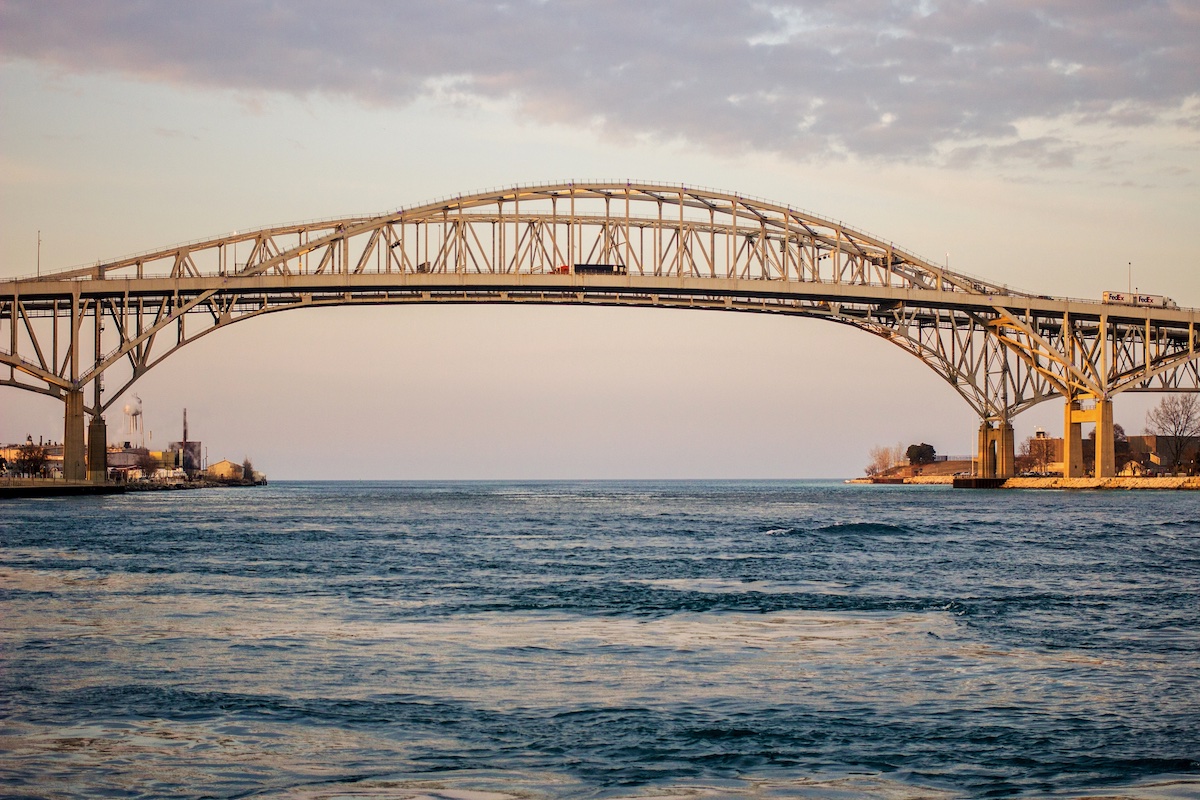
The Blue Water Bridge, which links Sarnia, Ontario, and Port Huron, Michigan, is another major northern border crossing and has recently competed closely with the Ambassador Bridge for truck volume, with more than 2 million crossings reported.
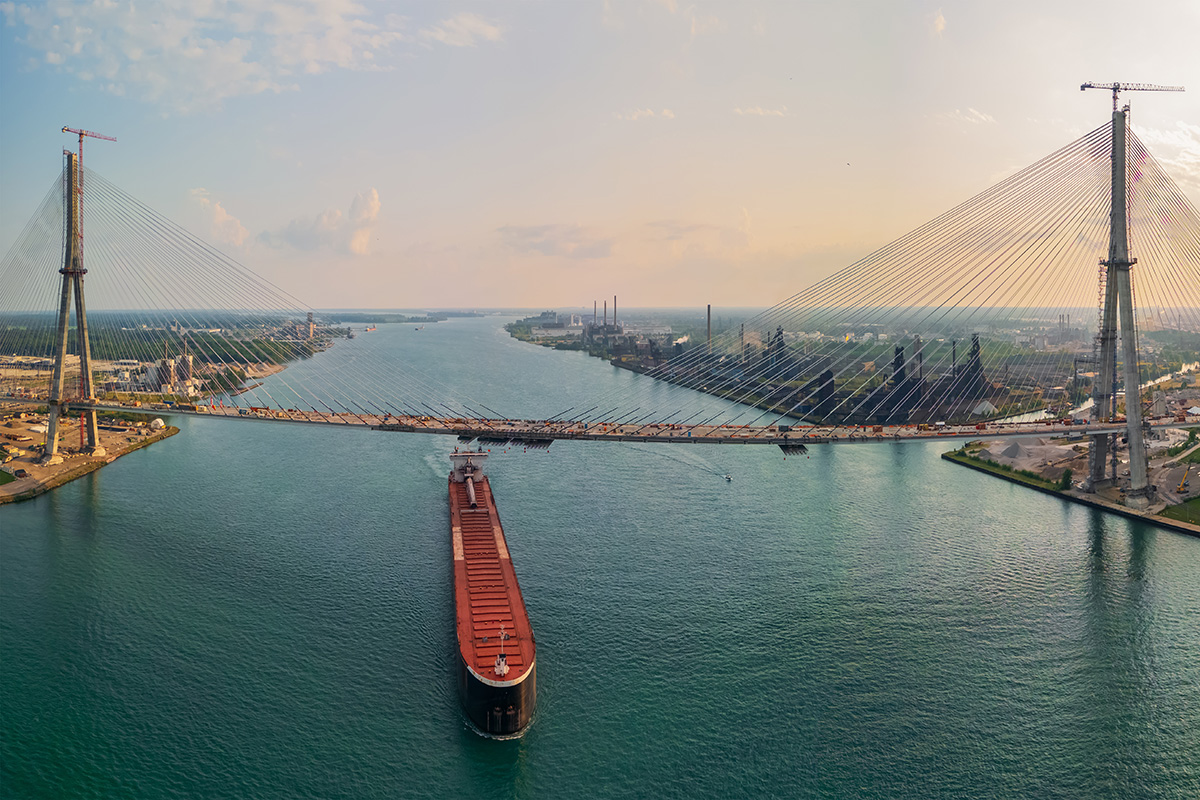
Traffic concerns in Michigan, the largest gateway for trade between Canada and the U.S., may soon ease with the opening of the Gordie Howe International Bridge on July 27, 2026. The new bridge will provide another route option for commercial and passenger vehicles traveling between Windsor, Canada, and Detroit, Michigan.
For crossings closer to Toronto, the Peace Bridge in Buffalo–Fort Erie is a common route, which can make it prone to heavy traffic. The Lewiston–Queenston Bridge near Niagara Falls is another option for freight headed toward Toronto, though tourism traffic into Canada can add congestion.
Washington State Area Points of Entry
The primary route to Canada for truckers operating in the Pacific Northwest is the Pacific Highway Crossing in Blaine. Other crossings along the Washington–Canada border include Sumas and Lynden, although Lynden operates only from 8 a.m. to midnight. The Peace Arch crossing via I-5 does not allow commercial vehicles.
Popular U.S. Trucking Points of Entry to Mexico
Texas Area Points of Entry
For freight entering from Mexico, Laredo, Texas, is one of the most heavily used border crossings for truckers and is widely considered a primary gateway for U.S.–Mexico trade. The World Trade Bridge is dedicated to commercial traffic and handles up to 18,000 commercial trucks daily, while the Laredo–Colombia Solidarity Bridge, also in Laredo, is open to both passenger and commercial vehicles.
El Paso, Texas, is also a major crossing area with multiple ports of entry, including the Bridge of the Americas and Ysleta–Zaragoza. The Bridge of the Americas has limited commercial vehicle hours and may eventually become a passenger-only crossing because of city congestion and bottleneck concerns affecting both truckers and residents. The Santa Teresa Port of Entry, located in New Mexico near El Paso, is another option for truckers moving freight between Mexico and the U.S. Southwest.
Arizona Area Points of Entry
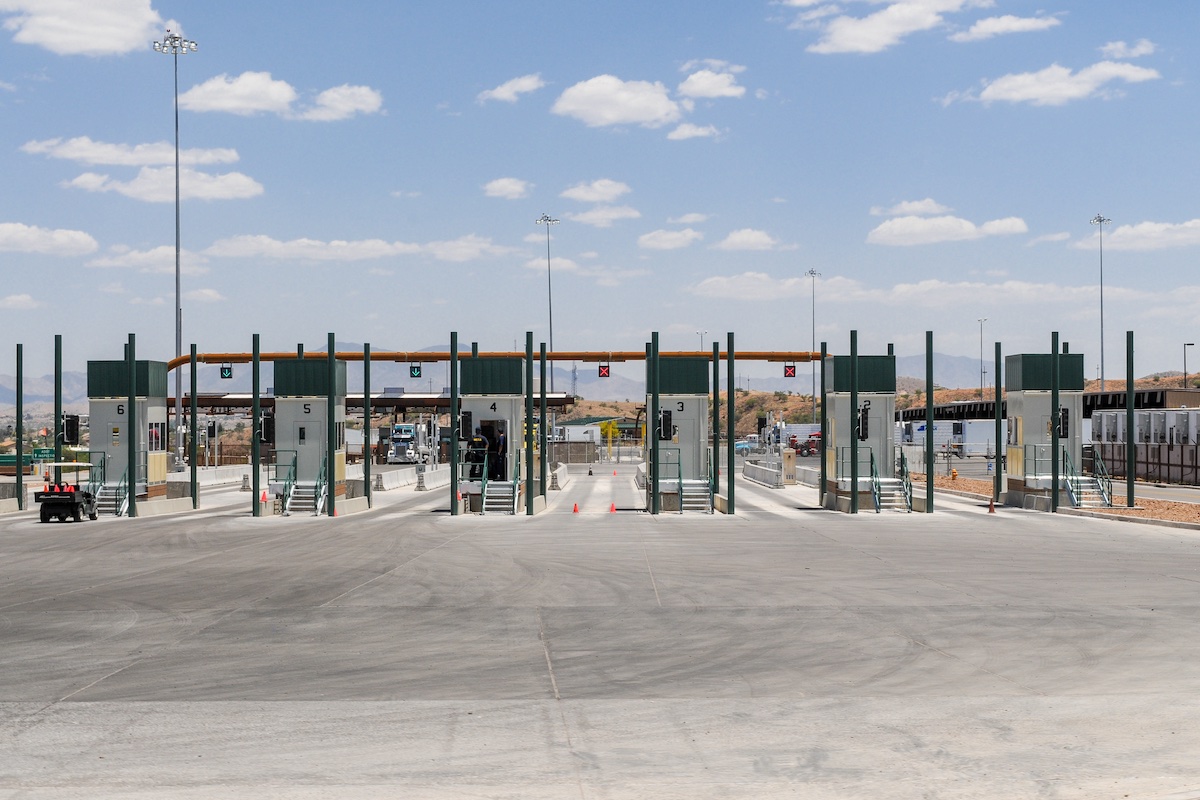
For freight deliveries closer to Arizona, one of the most common commercial crossings is in Nogales. The Mariposa Port of Entry serves commercial vehicles and connects Arizona with the Sonora, Mexico, region.
California Area Points of Entry
Southern California receives much of its freight from Mexico through the Otay Mesa Port of Entry. This commercial-only crossing is one of the busiest options for California deliveries and is located near San Diego. The San Ysidro Port of Entry is limited to passenger vehicles and should be avoided by truckers. About 120 miles east of San Diego, the Calexico East Port of Entry is a strong option for freight headed toward the Imperial Valley, the Coachella Valley, or farther east.
Truckers who carry freight between the U.S., Mexico, and Canada have several points of entry available for international deliveries. Some crossings are busier than others, which can lead to longer wait times. Before each run, truckers should check current border wait times, confirm the best route, and review customs regulations and requirements for the selected point of entry.