How Do Freight Rail Operations Affect Trucking?
The railroad industry has been a popular way to transport everything from people to freight for over 200 years. Along with truckers, rail operations make up America’s ground freight sector, moving goods we use every day all around the country. We tend to forget that trains are still operational unless you get stuck at a railroad crossing. Is railway freight still popular, how does it operate, and what role do truckers play? To understand that relationship, it helps to look first at how freight rail works and where trucking fits into the larger logistics chain.
How Freight Rail Operates
Trains do more than block crossings and carry stories of runaways and outlaws, they transport people and all kinds of freight we use daily. In places like Europe and Asia, trains mostly carry passengers contributing to public transportation. In the U.S. however, freight rail is predominant.
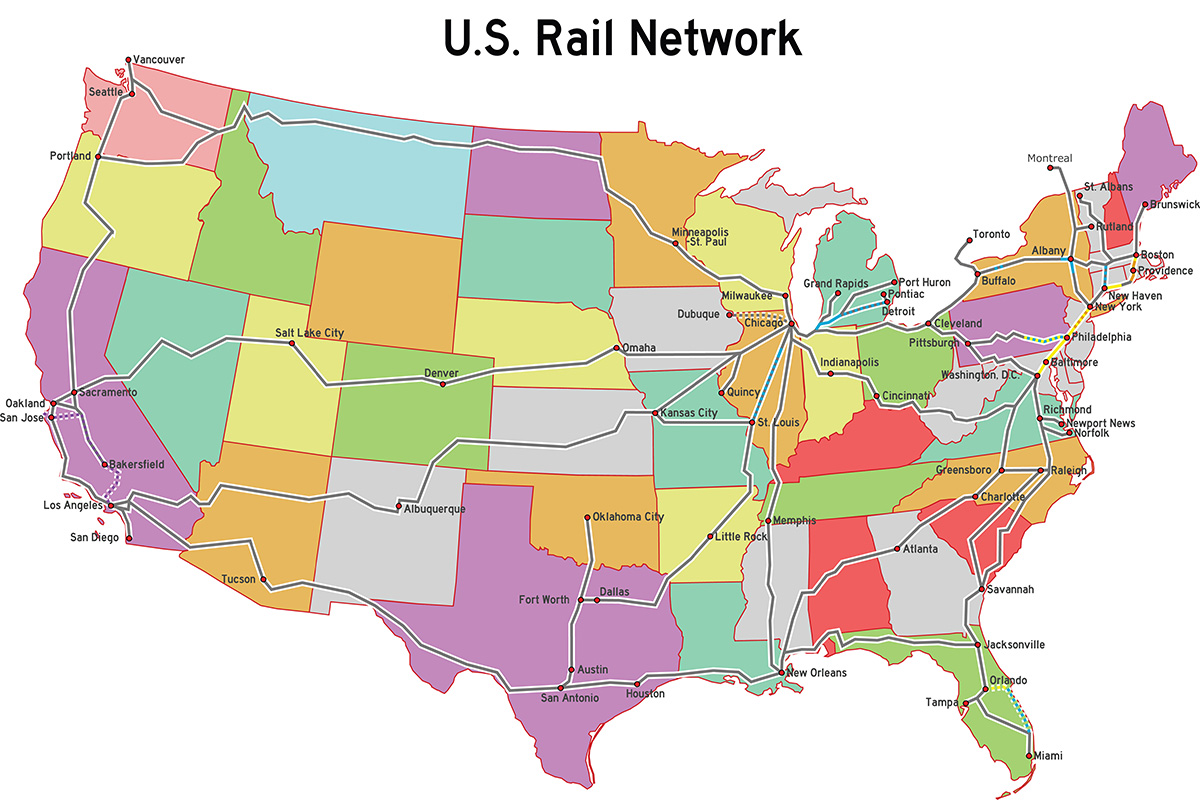
Trains transport shipping containers from ports on about 140,000 miles of track, delivering everything from clothing to food and other goods to all parts of the U.S. Being a safe driver when it comes to trains is different than driving a truck because a train takes much longer to break. Depending on how fast a freight train is going, it can take up to 2 miles to come to a complete stop. This makes it pertinent to stay off train tracks even if the train seems far away.
Advantages of Freight Rail and Trucking
Once rail’s operating model is clear, the next step is to compare the strengths that rail and trucking each bring to freight movement. Trains can carry thousands of tons of freight, transporting it to multiple locations across the U.S. Freight trains and truckers can both carry freight from Mexico and Canada, but vehicle border crossings may be longer than train crossings. For long haul truckers, trains may cover certain parts of a route faster than a truck, making for shorter trucking routes.
Having to deal with traffic is also something rail freight doesn’t have to worry about, making delivery times more exact. All in all, freight trains and trucking work together to make up America’s ground freight sector to deliver us the goods we use daily.
Limitations and the Role of Trucking
Even with those advantages, rail cannot handle every part of a shipment, which is why trucking remains essential to the overall delivery process. Freight trains can work as middlemen for truckers and the final destination of goods. Trains can only run on specific tracks, making it difficult for them to reach certain destinations, this is where trucking comes in. Truckers get loaded up at rail yards and haul the load the rest of the route.
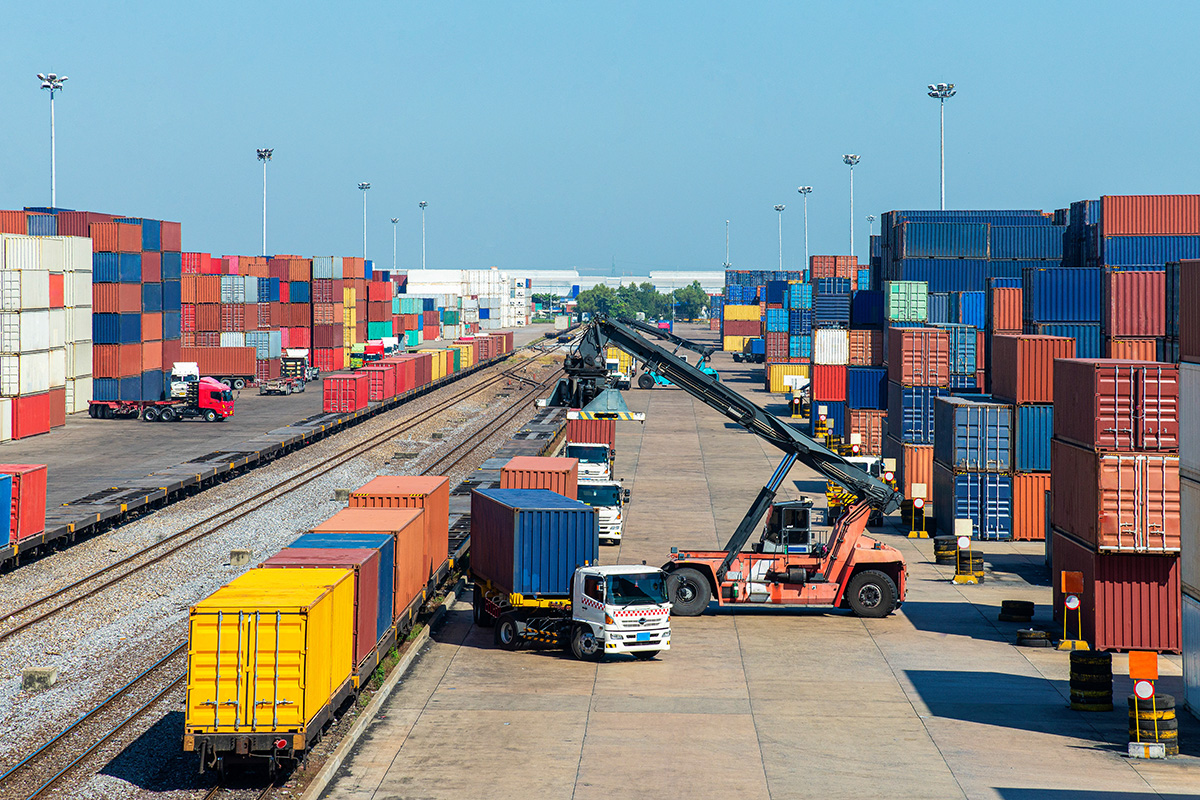
Freight rail affects trucking by reshaping how long-distance goods move, often handling the most efficient line-haul portion of a shipment while trucks complete pickup and final delivery. Rather than replacing trucking, freight rail complements it, and together the two modes form a connected freight network that improves reach, flexibility, and efficiency.