Dealing With Winter Trucking

Recent storms and cold fronts have us all wondering about the people who work on the roads during winter when ice and snowfall are common. Some truckers frequent the notorious ice roads, while others must deal with snow and rain that cause their own obstacles. Being aware of what goes on during winter trucking, especially if it’s your first time, will help ease the butterflies before the trip.
Slippery Roads During Winter Trucking
There are numerous challenges to trucking in the winter, and hazardous road conditions are a significant and obvious obstacle. Ice often forms on roads as temperatures drop overnight during freezing winter months, causing winter challenges such as slippery conditions for truckers and other commuters. Having snow tires and especially chains is essential during these times to increase safety and prevent accidents. Be wary of deceptive snow as it can cover ice spots, making them invisible.
A puddle can be deceptive, especially after a heavy rain in freezing cold temperatures, creating black ice that remains hidden under a wet, shiny puddle. Hitting these frozen areas at high speeds without the proper equipment can cause your tires to slide uncontrollably.
Ice Road Winter Trucking
The History Channel features a show called Ice Road Truckers, which highlights the lives of truckers who work on remote roads in dangerous terrain in the northern areas of the US and Canada. These truckers deliver supplies to remote areas that experience harsh winters.
Dealing with Reduced Visibility When Winter Trucking
Blizzards, fog, and other weather phenomena happen when it’s cold, altering the vision of those trying to complete their rounds. During times in limited visibility, it’s important to drive more slowly to brake in time should you see something in front of you.
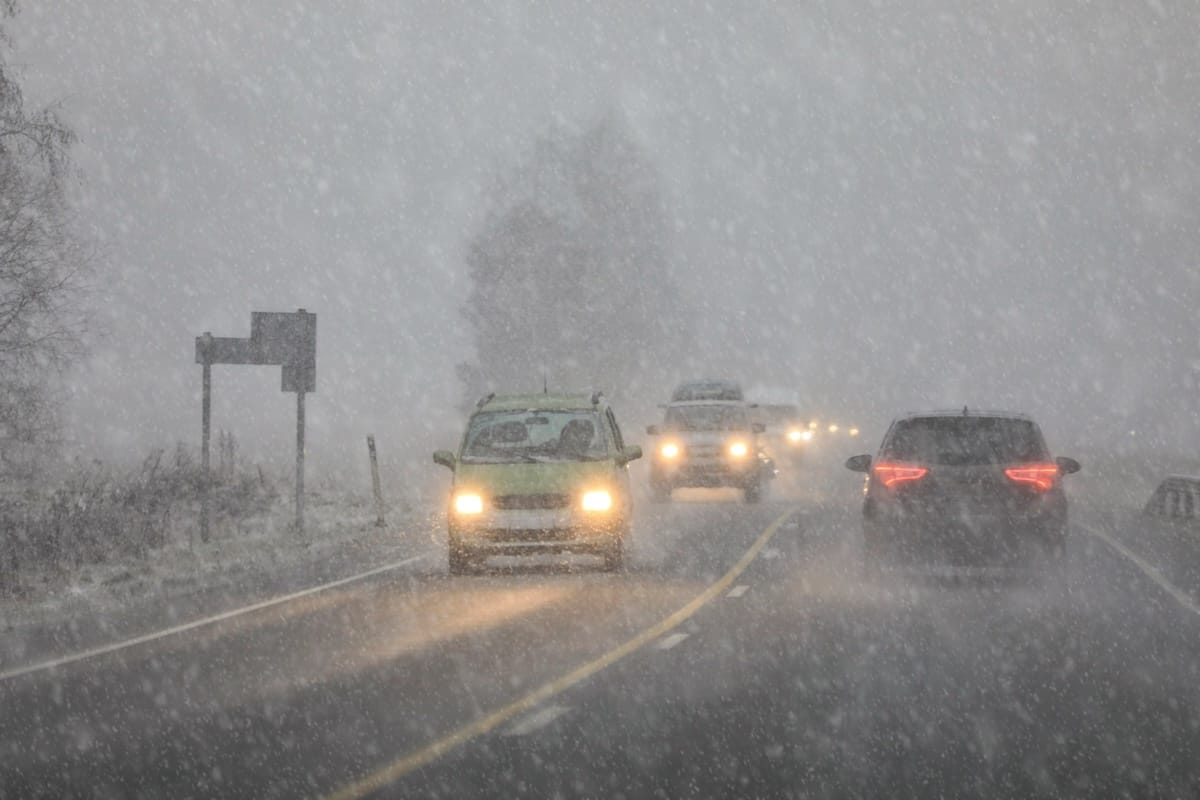
Animals frequently cross roads and highways, especially in less populated areas, and during a snowstorm, seeing an animal in front of you would be difficult. Doing a pre-trip inspection and checking your brakes is vital. Being able to stop during times of low visibility can help avoid injuries and delivery delays.
Cold Temperatures and Unkept Roads During Winter Trucking
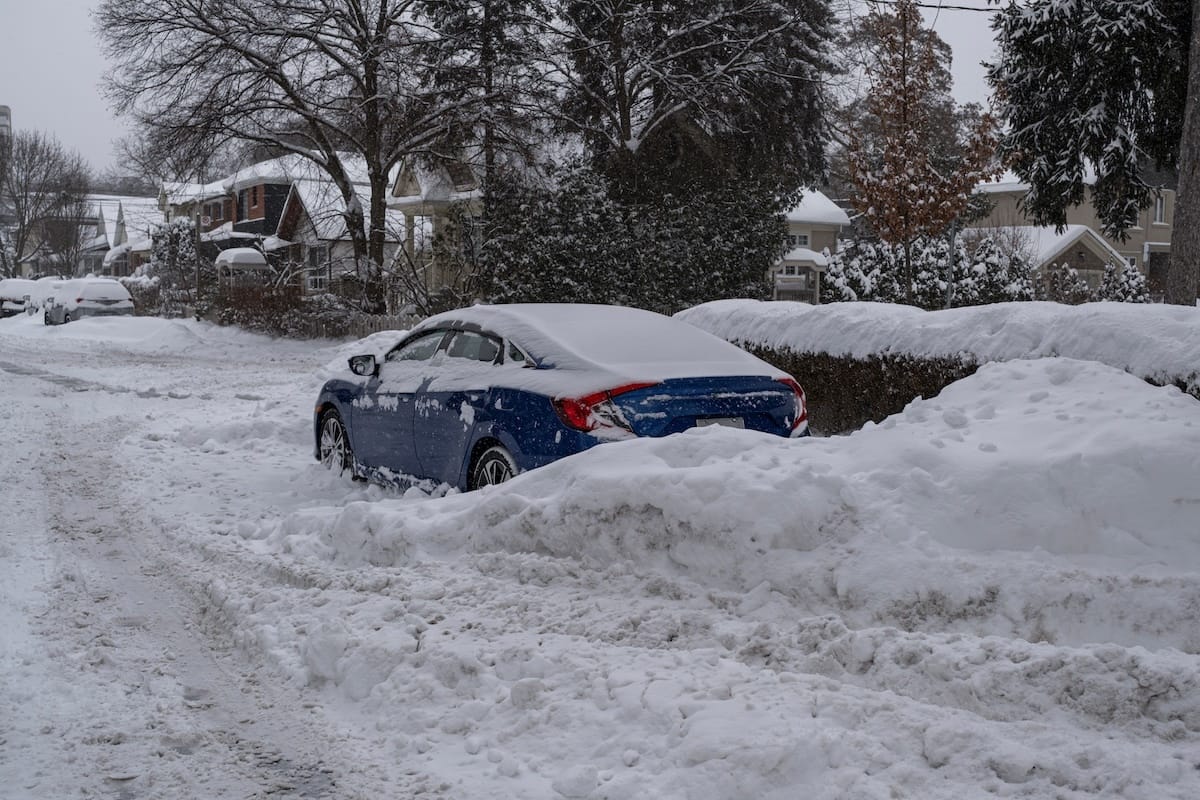
Snow buildup might be one of the most annoying aspects of wintertime because there isn’t much you can do after a snowstorm if the roads haven’t been cleared properly. Remembering cities and places that maintain their roads in the winter can help avoid detours for future routes. Stay away from places with a history of unkept roads.
Staying warm on the road isn’t as easy to do for long-haul truckers, and knowing ways to kick the cold is important information to have. Once you find what works for you, stick to it and guard it with your life.
Winter driving has its challenges, but in a month or so, the snow stops and the warmer months arrive. Until then, be aware of slippery roads, the dangers of low visibility in snow, and how to avoid unkept roads and frozen fingers.