
OCTOBER 29, 2026
Driving During El Niño Season
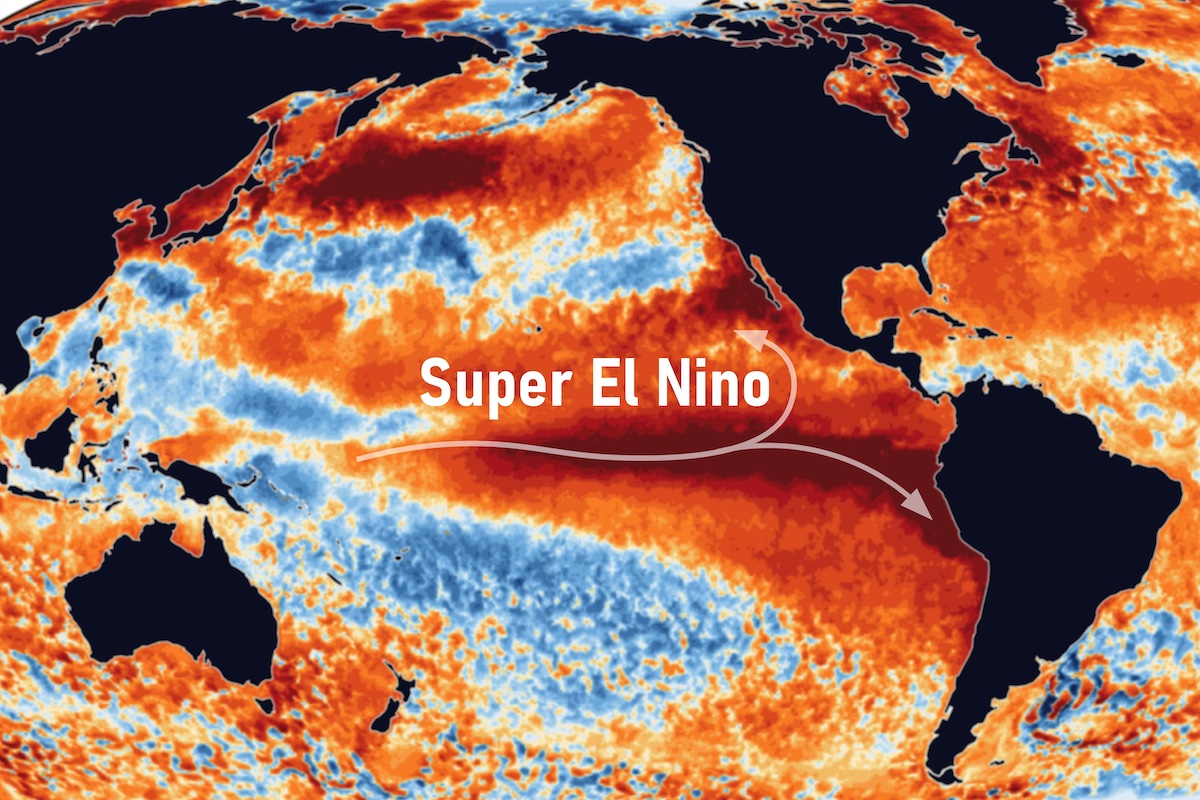
The 2026 hurricane season is expected to be a serious one, with a super El Niño brewing in the warm waters of the Pacific. Parts of the US will face different weather phenomena, such as coastal flooding in Southern California, a warmer PNW, droughts in the north, and more cold storms along the East Coast. If you’re working on the road, it’s important to stay informed about the weather and road closures for the next couple of months to avoid delays and safety concerns.

With November almost here, winter is knocking on the door. This year’s El Niño may be bringing an early winter for some and a late summer and fall for others. This year, we’re expecting a super El Niño, and it’s been the talk of the season, with October already filled with weather phenomena like late heat waves and severe coastal flooding along the Southern California coast. Staying up to date with the weather when you’re working on the road is essential for a safe trip. Driving during El Niño season might seem daunting, but with some information and preparedness, we can get through it without too much trouble.
Driving in Southern California During El Niño Season
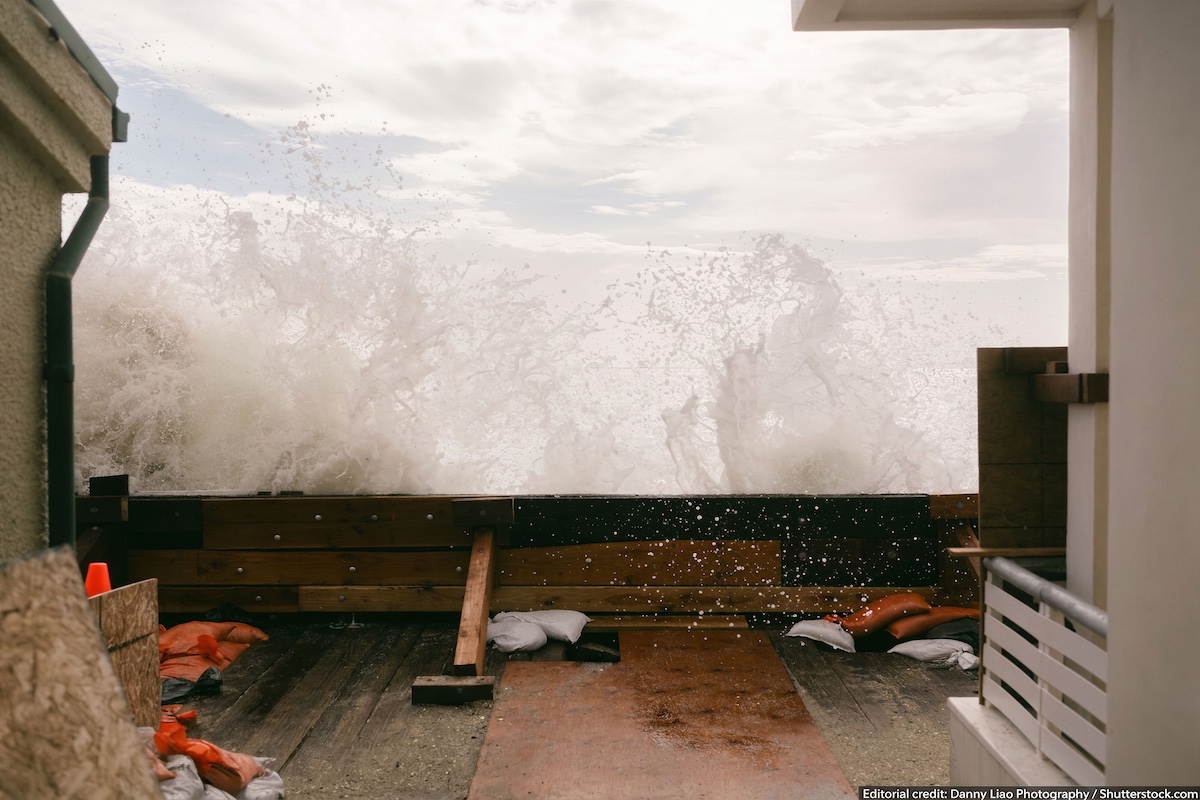
Southern California may be facing some of the toughest obstacles this fall and winter due in part to damage from previous disasters that has yet to be repaired. The Palisades wildfires of early 2025 caused devastation to houses, many of which have yet to be rebuilt. These houses blocked Pacific Coast Highway from ocean waves, which are expected to be high this season. Heavy atmospheric river storms also threaten PCH and make it a flood threat area. These storms can cause slopes to collapse and parts of the road to close. Keeping track of closures on PCH for the next couple of months will be essential to avoid road closures and, most importantly, safety concerns.
Driving in the Pacific Northwest During El Niño Season
While Southern California faces cooler temperatures and torrential rain, parts of the Pacific Northwest will be experiencing their own weather phenomena, with a warming climate and less snow in the mountains. This is good news for drivers up north, who will have fewer icy conditions to worry about. This year, driving during hurricane season in the PNW might not be as difficult as in other parts of the US. These areas experience cold climates at this time of year, and these weather changes could place a burden on ecosystems not accustomed to the changes. For now, it’s best to monitor any weather changes and plan routes ahead to avoid road closures and delivery delays.
Driving During El Niño Season in Other Parts of the US
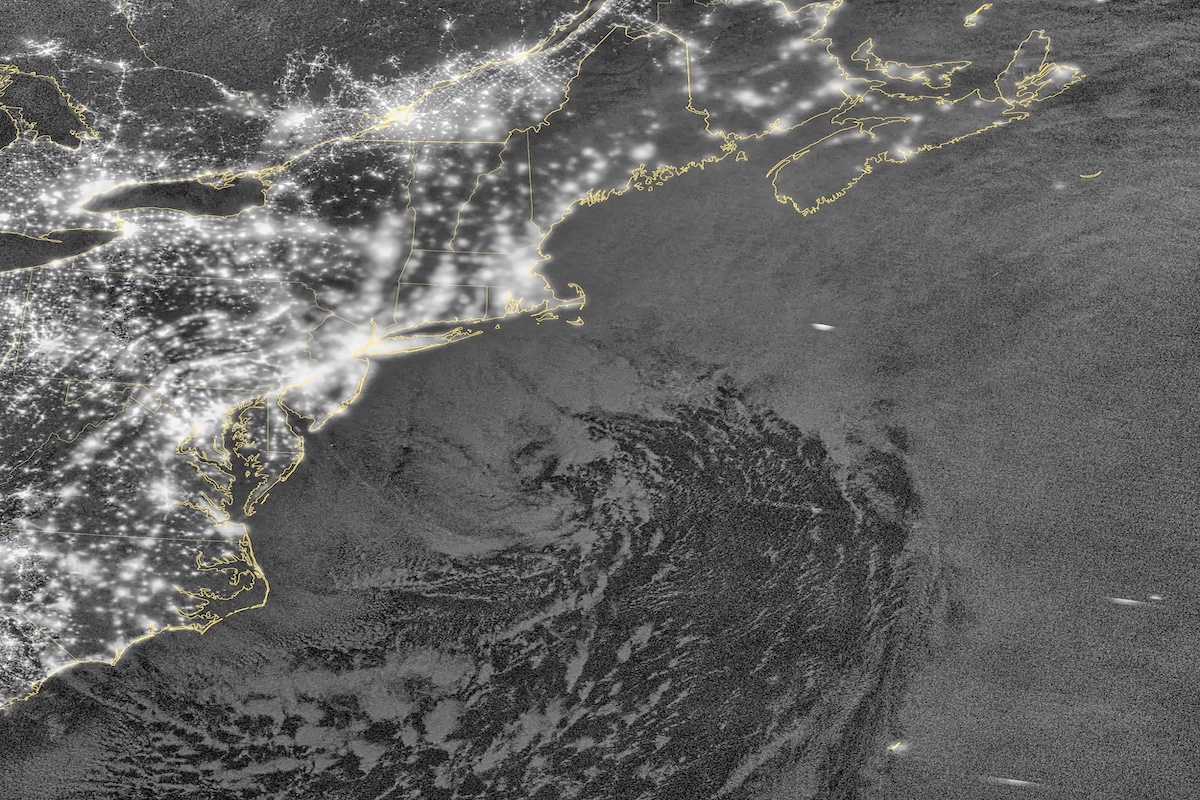
Warmer temperatures across the Great Lakes and in northern parts of the Northeast are expected this El Niño hurricane season. Drought conditions are expected in these areas, pushing colder temperatures and rain to the East Coast. There is a high potential for nor’easters due to this year’s super El Niño. Unlike hurricanes, which are associated with warmer temperatures, nor’easters are storms that form off the East Coast and bring cold winds, rain, and snow. For those working on the East Coast, driving in the rain might be the norm this season. The amount of snow El Niño will bring to the East Coast isn’t certain, but hopefully the snow stays in the mountains.
The 2026 hurricane season is expected to be a serious one, with a super El Niño brewing in the warm waters of the Pacific. Parts of the US will face different weather phenomena, such as coastal flooding in Southern California, a warmer PNW, droughts in the north, and more cold storms along the East Coast. If you’re working on the road, it’s important to stay informed about the weather and road closures for the next couple of months to avoid delays and safety concerns.
Follow our blog for more trucking news and highlights, and check out our employment opportunities and requirements if you are interested in a trucking job.
Other Recommended Readings from our Blog:
It’s Brake Safety Week! Prepare for Inspections Driving in the Snow: How to Prepare for Road Conditions Are You a Safe Driver? Safety Procedures for Truck Drivers